

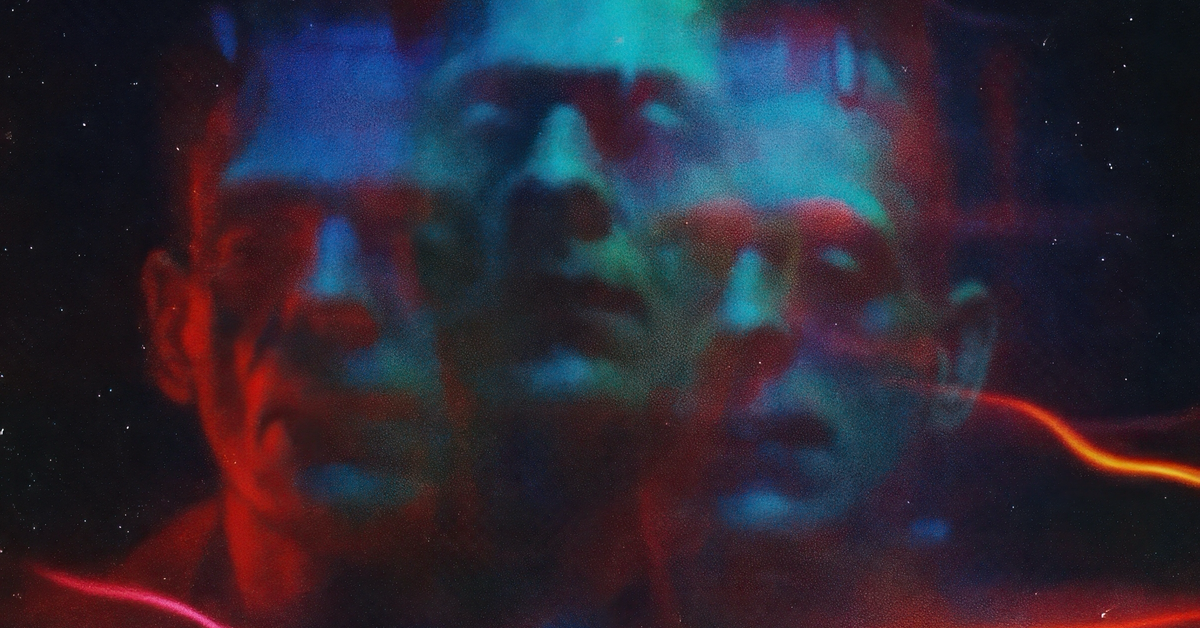
Few novels are as culturally recognisable — and as widely misunderstood — as Mary Shelley’s Frankenstein.
Even people who have never read the book usually know something about it. They recognise the monster’s image, know references like “It’s alive!”, or associate Frankenstein with mad science and horror films. Yet a huge number of readers have never actually encountered Shelley’s original novel.
What they often discover when they finally do is surprising.
Published in 1818, when Mary Shelley was just 20 years old, Frankenstein is far more than a Gothic horror story. Written during a period shaped by scientific discovery, Romanticism, and growing questions about humanity’s relationship with nature, the novel explores ambition, loneliness, responsibility, rejection, and the dangers of pursuing knowledge without wisdom.
At the centre of the story is Victor Frankenstein, a young scientist whose attempt to create life leads to devastating consequences — not only for himself, but for the intelligent and deeply lonely Creature he brings into the world.
Part of what has made Frankenstein endure for more than two centuries is the emotional and philosophical depth behind its most memorable lines. Through its quotes, readers encounter not only the novel’s famous Gothic atmosphere, but also its tragedy, humanity, and surprisingly modern questions about what it means to be human.
Here are some of the most famous Frankenstein quotes — and how they guide readers through the heart of Mary Shelley’s novel.
Victor Frankenstein’s Dangerous Ambition
“Learn from me, if not by my precepts, at least by my example, how dangerous is the acquirement of knowledge.”
One of the first things readers discover about Victor Frankenstein is his overwhelming ambition.
Victor becomes consumed by the desire to uncover the secrets of life itself, pushing beyond natural boundaries in pursuit of scientific achievement. What makes the novel so compelling, however, is that Shelley does not present knowledge itself as evil. Instead, she questions what happens when ambition becomes detached from wisdom, humility, or responsibility.
The quote immediately establishes the novel as a cautionary tale — not simply about science, but about human pride.
The Creation That Became a Nightmare
“The beauty of the dream vanished, and breathless horror and disgust filled my heart.”
After years of obsessive work, Victor finally succeeds in creating life. Yet instead of triumph or wonder, he is immediately overcome with horror the moment the Creature opens its eyes.
It is one of the novel’s most important reversals. The scene is not written as a celebration of scientific achievement, but as the collapse of Victor’s fantasy. The thing he once imagined as beautiful suddenly becomes unbearable to him.
That moment of rejection shapes everything that follows.
The Creature Speaks
“I ought to be thy Adam, but I am rather the fallen angel.”
For many first-time readers, this is the moment Frankenstein becomes a very different story than they expected.
Far from being mindless or monstrous, Shelley’s Creature is intelligent, articulate, emotionally sensitive, and painfully self-aware. As he learns about humanity, he also becomes increasingly conscious of his isolation and rejection.
This quote, referencing Milton’s Paradise Lost, reveals the Creature’s deepest longing: he wishes he had been loved and guided like Adam, but instead feels abandoned like Satan.
Suddenly, the “monster” becomes tragic.
Loneliness Turns to Bitterness
“I am malicious because I am miserable.”
The Creature does not begin violent or hateful. Shelley presents him first as curious, lonely, and desperate for human connection. Again and again, however, he is rejected because of his appearance — feared before anyone attempts to understand him.
This quote marks the emotional turning point of the novel.
The Creature’s violence emerges not from pure evil, but from profound isolation and suffering. Shelley constantly asks readers to consider how cruelty, loneliness, and rejection can shape human behaviour.

Revenge Consumes Everything
“Beware; for I am fearless, and therefore powerful.”
By this stage of the novel, the Creature has changed dramatically.
Once hopeful and desperate for companionship, he now becomes consumed by anger and revenge. Rejection has hardened him, and his suffering turns outward toward destruction.
The line carries enormous emotional intensity because the Creature understands he has nothing left to lose. Shelley presents revenge not as empowerment, but as the final stage of despair.
Shelley’s Understanding of Human Suffering
“Nothing is so painful to the human mind as a great and sudden change.”
Part of what makes Frankenstein feel surprisingly modern is Shelley’s psychological insight.
Again and again, the novel explores grief, fear, guilt, trauma, and emotional instability with remarkable sensitivity. Shelley understands how quickly human beings can become overwhelmed when their world changes suddenly or violently.
This quieter quote reveals a different side of the novel — one less focused on Gothic horror and more concerned with the fragility of the human mind.
The Novel’s Final Warning
“Seek happiness in tranquillity and avoid ambition.”
By the novel’s conclusion, Shelley leaves readers with a final warning.
Victor Frankenstein’s tragedy began with the belief that greatness could be achieved without limits. In the end, the novel suggests that unchecked ambition can destroy not only the individual, but everyone around them.
The advice feels surprisingly modern. In a world often obsessed with achievement, productivity, and pushing boundaries, Shelley’s call for humility, balance, and tranquillity still resonates deeply.