


More than 175 years after its publication, Emily Brontë’s Wuthering Heights continues to captivate readers with its stormy atmosphere, haunting romance, and emotionally intense characters.
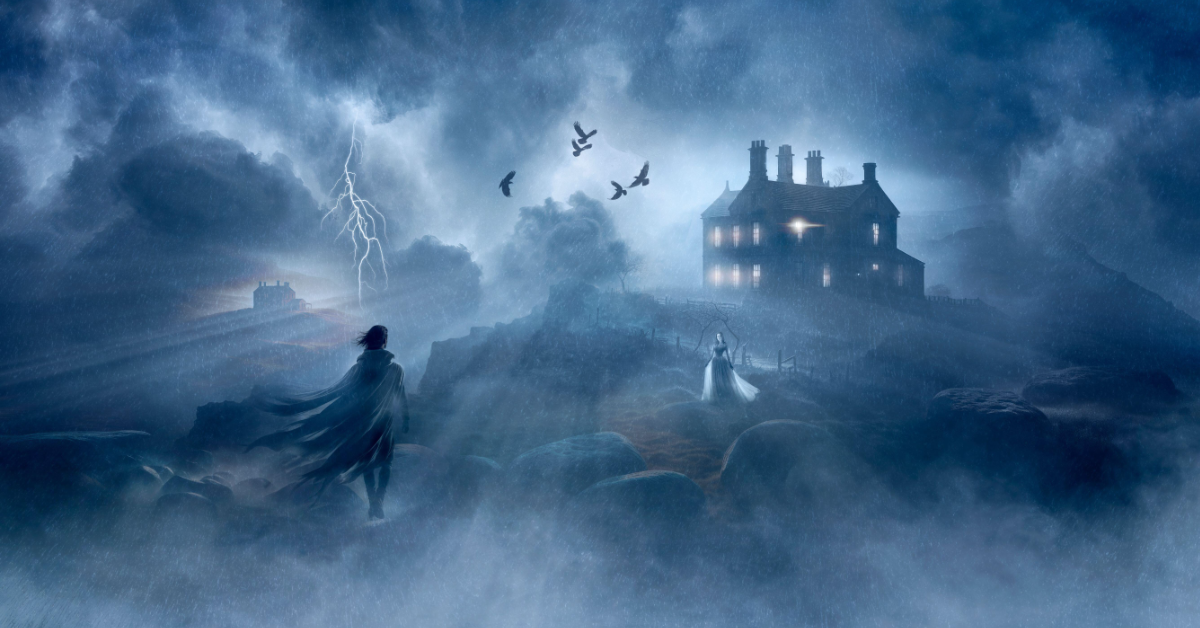
Even people who have never read the novel often recognise its reputation: windswept moors, ghostly imagery, and the unforgettable relationship between Heathcliff and Catherine Earnshaw. Interest in the story has surged again in recent years thanks to film adaptations, social media, and readers rediscovering the novel’s Gothic appeal.
Part romance, part tragedy, and part ghost story, Wuthering Heights remains one of the most distinctive novels in English literature.
Here are 10 quotes that help explain why readers are still so fascinated by it.
1. “Whatever our souls are made of, his and mine are the same.”
Few literary quotes are as instantly recognisable as this one.
Catherine’s declaration captures the almost supernatural connection between herself and Heathcliff. Their relationship is not calm, healthy, or even particularly kind — it feels elemental, as though the two are bound together beyond reason.
2. “I cannot live without my life! I cannot live without my soul!”
Heathcliff’s grief after Catherine’s death remains one of the most emotionally intense moments in English literature.
The line is dramatic, desperate, and overwhelming — which is exactly why readers remember it. Brontë allows her characters to feel everything at full intensity, without restraint or moderation.
3. “Be with me always—take any form—drive me mad!”
Part love declaration, part ghost story, this quote perfectly captures the Gothic atmosphere of Wuthering Heights.
Heathcliff would rather be haunted by Catherine forever than separated from her entirely. Love in Brontë’s novel is rarely peaceful; it becomes consuming, obsessive, and destructive.
4. “He’s more myself than I am.”
One of the most fascinating aspects of Catherine and Heathcliff’s relationship is how deeply their identities seem intertwined.
Catherine does not describe Heathcliff simply as someone she loves, but as part of her own being. That intensity helps explain both the passion and destruction at the centre of the novel.
5. “Wuthering being a significant provincial adjective, descriptive of the atmospheric tumult…”
Even the setting of Wuthering Heights feels alive.
From the opening pages, Brontë creates an atmosphere of wind, isolation, rough landscapes, and emotional unrest. The Yorkshire moors are not simply a backdrop — they reflect the wildness of the characters themselves.

6. “Honest people don’t hide their deeds.”
Amid all the emotional chaos of the novel, Brontë also writes sharply about guilt, pride, and human behaviour.
Many characters in Wuthering Heights conceal their motives, resentments, and desires until those hidden emotions eventually erupt into cruelty or conflict.
7. “If all else perished, and he remained, I should still continue to be.”
Catherine’s love for Heathcliff is presented as something deeper than affection or attraction — it becomes central to her sense of existence itself.
The emotions in Wuthering Heights are never mild or restrained. Everything feels absolute.
8. “Treachery and violence are spears pointed at both ends.”
For all its romance, Wuthering Heights is also a novel filled with revenge, cruelty, and bitterness.
Heathcliff’s desire for vengeance ultimately damages nearly everyone around him, including himself. Brontë repeatedly shows how cycles of hatred and retaliation rarely end cleanly.
9. “He shall never know how I love him.”
Catherine and Heathcliff spend much of the novel separated not by lack of feeling, but by pride, misunderstanding, and destructive choices.
That emotional frustration gives the story much of its tragic force. So much remains unsaid until it is too late.
10. “I lingered round them, under that benign sky.”
The novel’s ending leaves readers with one final haunting image.
After so much conflict, suffering, revenge, and emotional violence, Brontë closes the story quietly, with the landscape once again taking centre stage.