

For centuries, some of the most influential works of literature, philosophy, theology, and political thought have shaped the development of Western civilisation. These texts — often referred to as the “Great Books” — continue to raise enduring questions about truth, justice, morality, beauty, faith, freedom, and what it means to live a good life.
But why study books written hundreds or even thousands of years ago in today’s modern world?
At first glance, the Great Books may seem distant from contemporary life. Yet many students discover that these works remain remarkably relevant because they address fundamental human questions that transcend time and culture.
What Are the Great Books?
The term “Great Books” generally refers to influential works that have had a lasting impact on Western thought, culture, and education.
These texts span multiple disciplines, including:
- literature
- philosophy
- theology
- history
- political thought
They may include works by authors such as:
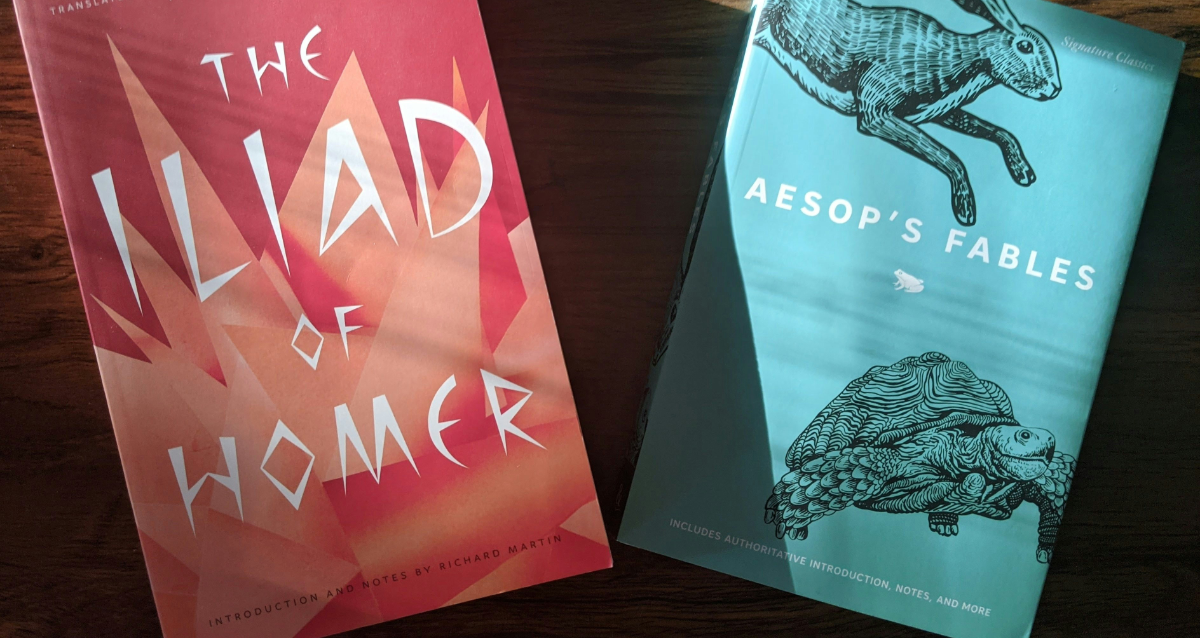
- Homer
- Plato
- Aristotle
- St Augustine
- Dante
- Shakespeare
- St Thomas Aquinas
- Jane Austen
- Dostoevsky
While these works differ in style, context, and perspective, they are united by their enduring influence and their engagement with profound questions about human nature and society.
The Great Books and the Western Intellectual Tradition
Many Western civilisation and liberal arts programs place the Great Books at the centre of their curriculum because these texts help students understand how ideas developed across history.
Students encounter the philosophical debates, literary traditions, theological questions, and political ideas that shaped the Western world and continue to influence contemporary society.
Studying the Great Books allows students to trace conversations across centuries:
- How should society be governed?
- What is justice?
- What is truth?
- What makes a good life?
- What responsibilities do individuals have toward others?
These questions remain deeply relevant today.
Learning Through Primary Texts
One of the distinctive features of Great Books education is the emphasis on reading primary texts directly.
Rather than relying only on summaries or secondary interpretations, students engage firsthand with influential works and wrestle with the ideas for themselves.
This approach encourages:
- close reading
- careful analysis
- thoughtful discussion
- intellectual independence
Students learn not only what thinkers believed, but how to critically evaluate arguments, interpret texts, and participate in meaningful intellectual conversation.
Why the Great Books Still Matter
In an era dominated by rapid information and short-form content, the Great Books offer something increasingly rare: sustained engagement with complex ideas.
These texts challenge students to slow down, think deeply, and engage with perspectives that may differ from their own.
Studying the Great Books helps students develop:
- critical thinking skills
- communication and writing abilities
- historical understanding
- cultural literacy
- ethical reasoning
Importantly, the value of the Great Books is not simply historical. These works continue to shape modern politics, education, law, literature, religion, and culture.
Understanding them provides deeper insight into the foundations of contemporary society.
The Great Books in a Liberal Arts Education
At liberal arts institutions such as Campion College, the Great Books are studied within an integrated curriculum combining:
- history
- literature
- philosophy
- theology
Rather than approaching education through narrow specialisation alone, students explore how disciplines connect and how ideas influence one another across time.
Discussion-based seminars and close academic mentorship encourage students to engage actively with the texts and with one another.
This educational model emphasises intellectual formation, helping students become thoughtful, articulate, and historically informed graduates.
More Than Academic Study
For many students, studying the Great Books becomes an opportunity to reflect on enduring human questions and to participate in a tradition of inquiry that stretches across centuries.
The Great Books continue to endure because they speak to experiences and questions that remain central to human life:
- meaning
- justice
- love
- virtue
- suffering
- freedom
- faith
- community
These are not questions confined to the past.
They remain part of the human experience today.
Studying the Great Books at Campion College
Campion College’s Bachelor of Arts in the Liberal Arts introduces students to many of the major works, thinkers, and traditions that shaped Western civilisation.
Through seminar-style learning and an integrated study of history, literature, philosophy, and theology, students engage deeply with the Great Books tradition while developing transferable skills in writing, analysis, discussion, and critical thinking.
For students seeking an education grounded in ideas, conversation, and intellectual discovery, the Great Books remain as relevant as ever.