
Professor Phil Cummins explores character and the purpose of education at Formal Hall
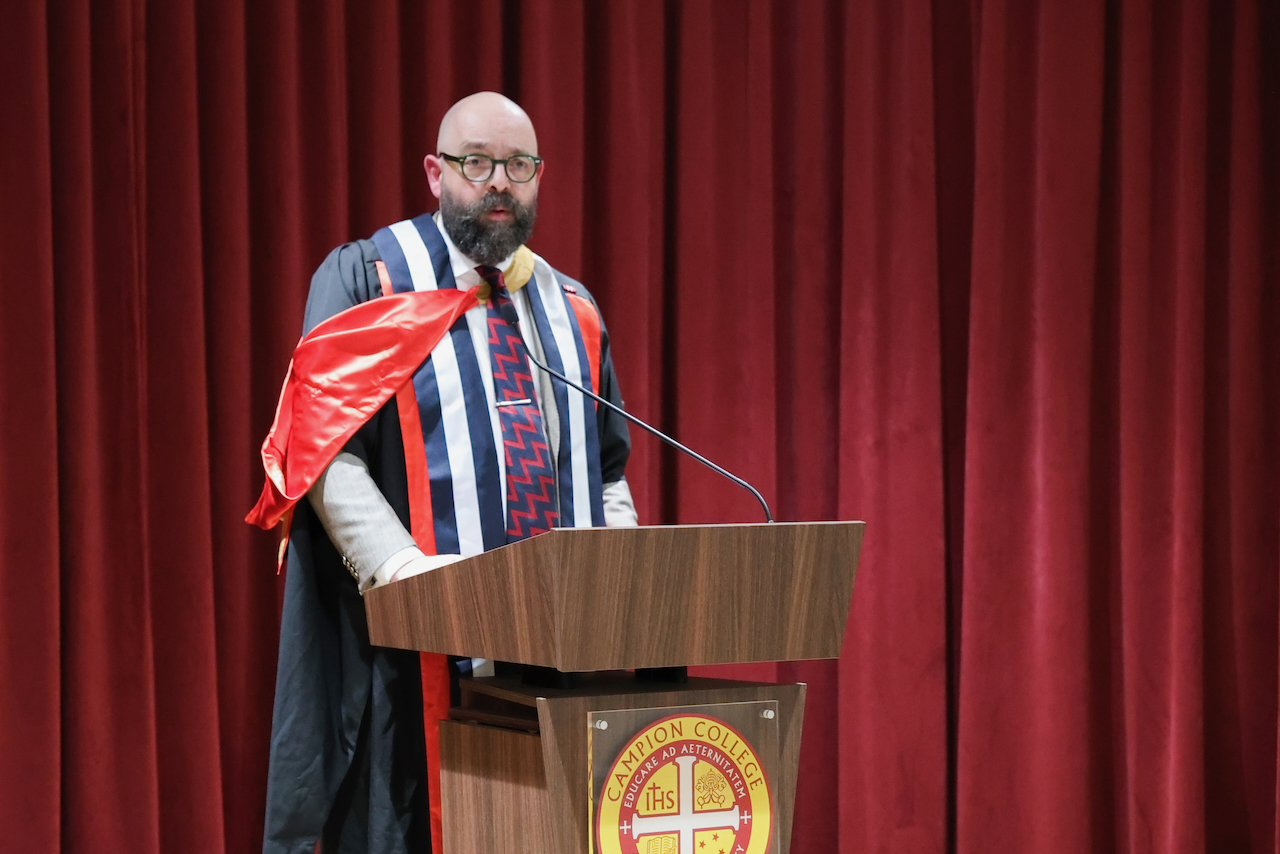
The formation of character and the deeper purpose of education were at the centre of Campion College’s Formal Hall on Thursday, 20 August, as students, staff and guests gathered for an evening that also marked the conferral of the College’s 2025 Honours degree.
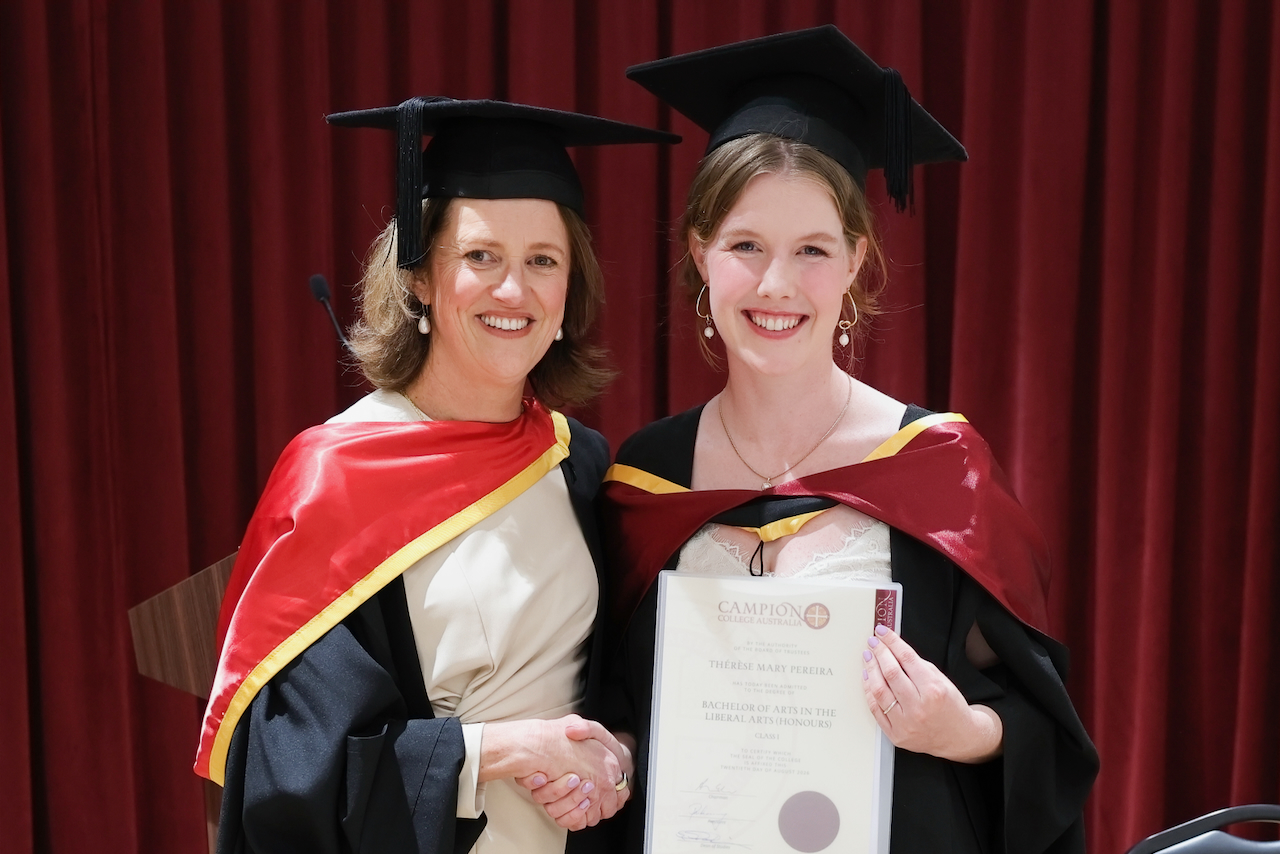
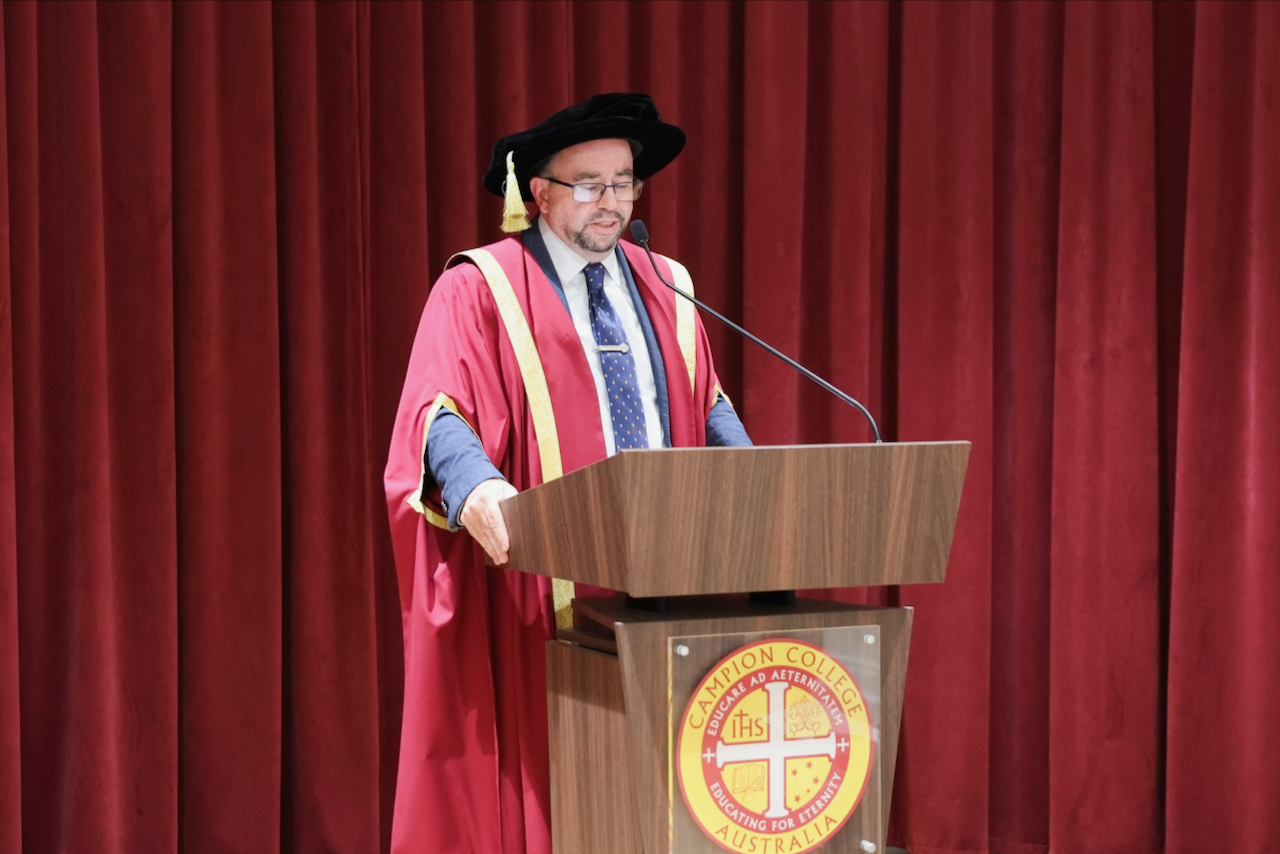
The evening began with the graduation of Thérèse Pereira, who was awarded the Bachelor of Arts in the Liberal Arts (Honours), before guest speaker Professor Phil Cummins challenged students to consider education not simply as the acquisition of knowledge, but as a lifelong process of becoming.
Professor Cummins, Hooke Family Professor of Practice in Educational Leadership at the University of Sydney and Founder and Director of the Sydney Character Initiative, has spent almost four decades working in education and leads an international research program into character education.
“A good education is intentional about helping students to become better versions of themselves,” he said, describing character formation as a process of wrestling with “who we are, who we might become, and how we might make a mark”.
Earlier in the evening, Joao-Paulo d’Assumpcao performed Frédéric Chopin’s Nocturne Op. 9 No. 2, a performance Professor Cummins drew upon as he reflected on the complexity of human experience and the role character plays in sustaining people through both good times and adversity.
Professor Cummins described character as both who a person is and who they are becoming, shaped through the tension between an individual’s inner life and the expectations and responsibilities encountered in the world around them.
“Character is who we are. It is our being. Character is also who we might be. That’s our becoming,” he said.
He identified three dimensions of character — civic, performance and moral — encompassing belonging, fulfilling one’s potential, and doing what is good and right. At the heart of this, he argued, is belonging.
“The more we feel as though we belong, the more likely we are to fulfil our potential. And the more we feel as though we belong and fulfil our potential, the more likely we are to do good and right in the world.”
His address had particular relevance for students considering careers in teaching, encouraging them to recognise that education extends beyond the transmission of knowledge to the formation of the whole person.
“We teach who we are,” Professor Cummins said, reflecting that while much of what is learnt through formal study may eventually be forgotten, the people encountered through education — and what they teach us about ourselves — remain.
“What is school, after all, apart from young people gathering together in a special place with older people to learn how to become more fully human in the world and how to live a life?” he asked. “That’s what you are doing here.”
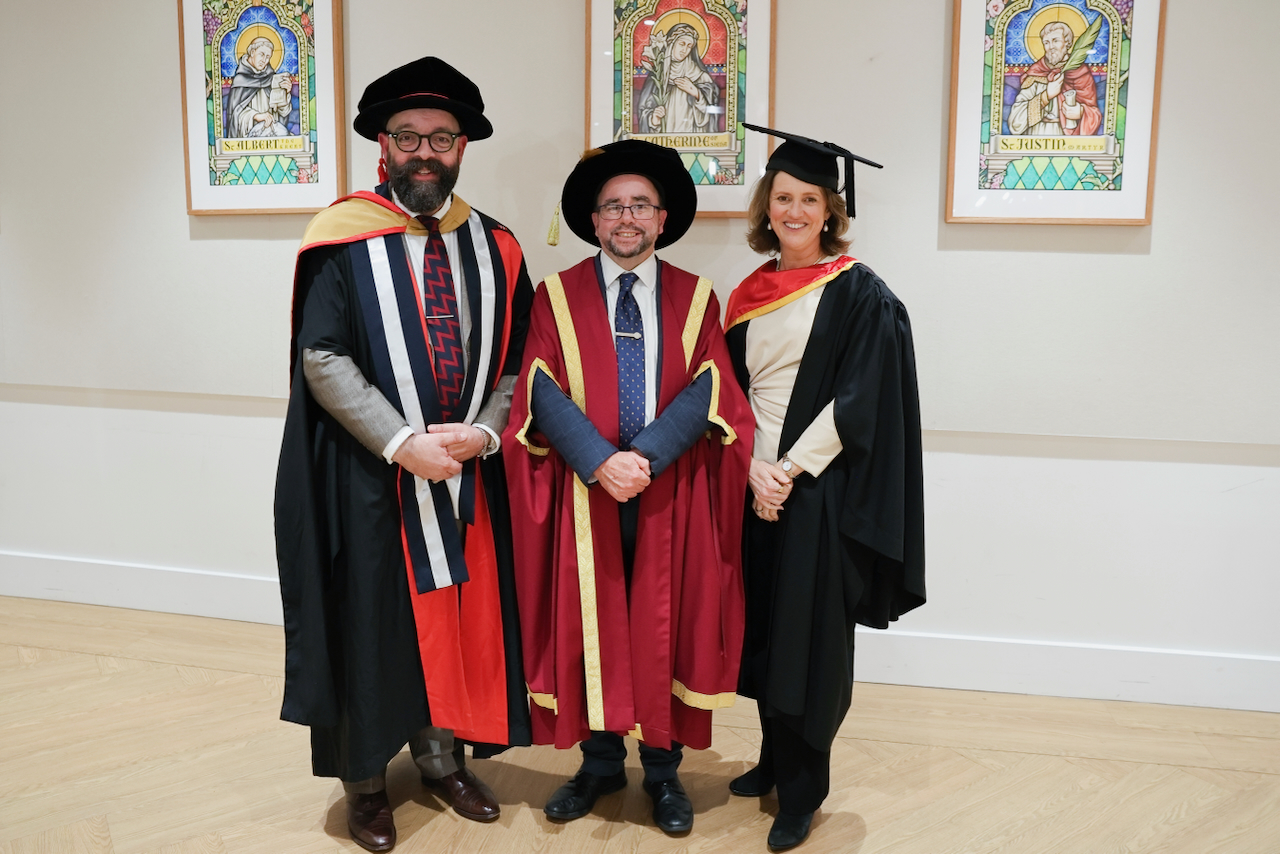
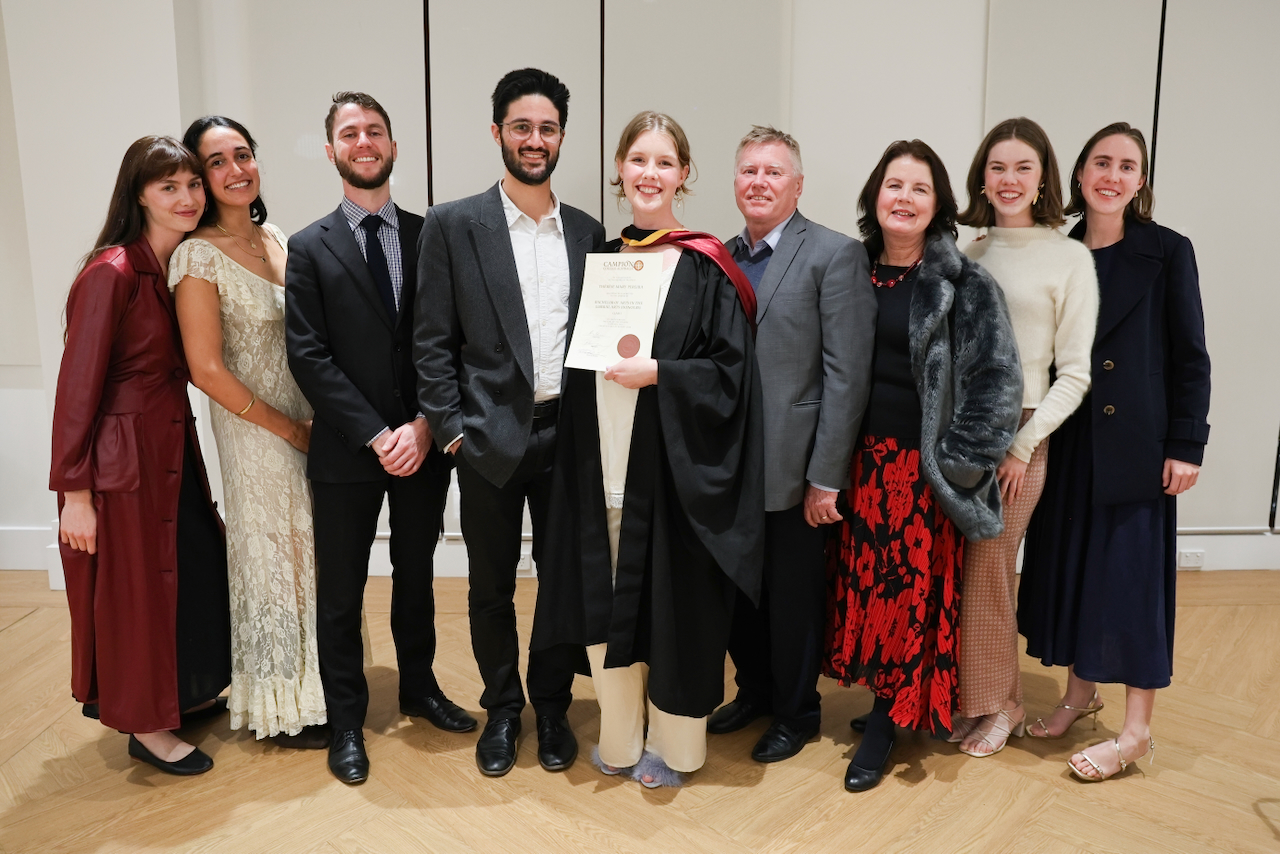
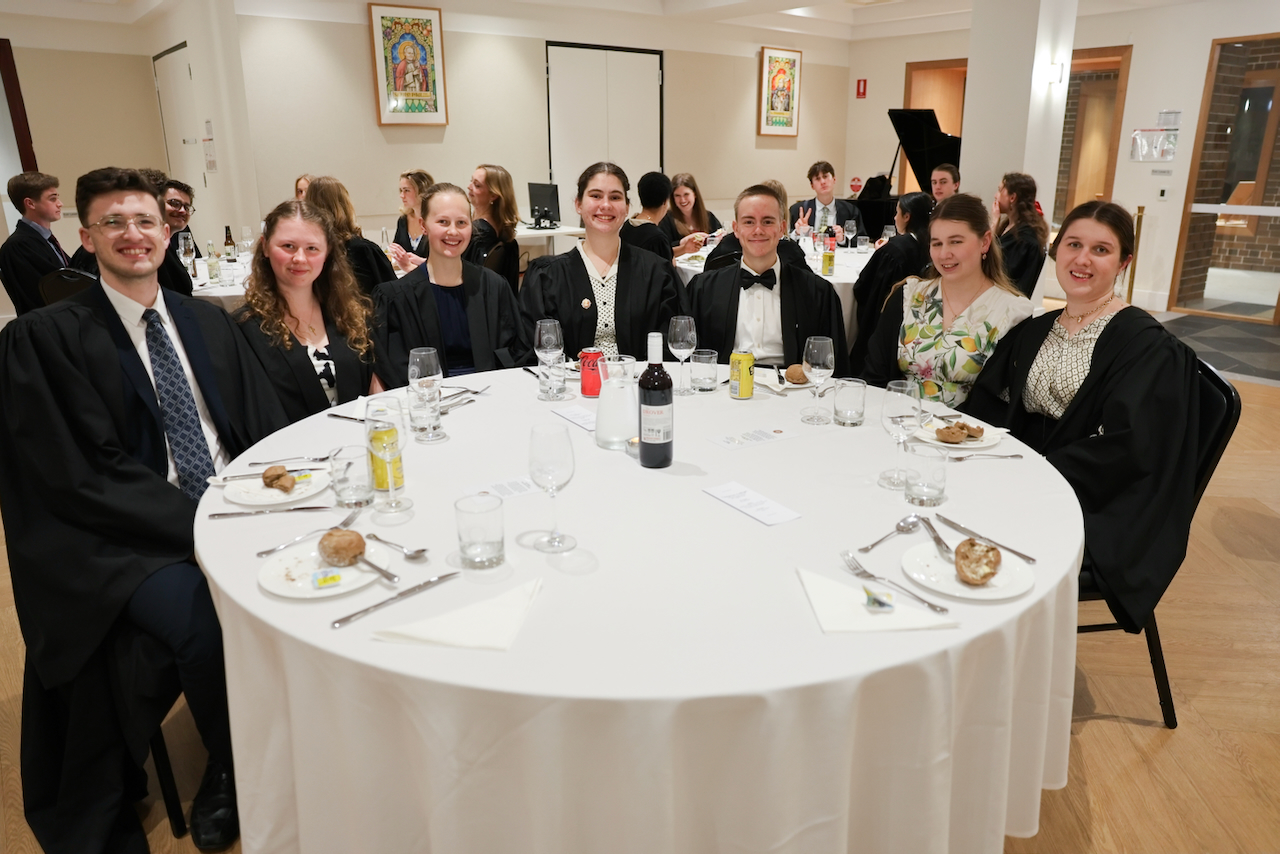
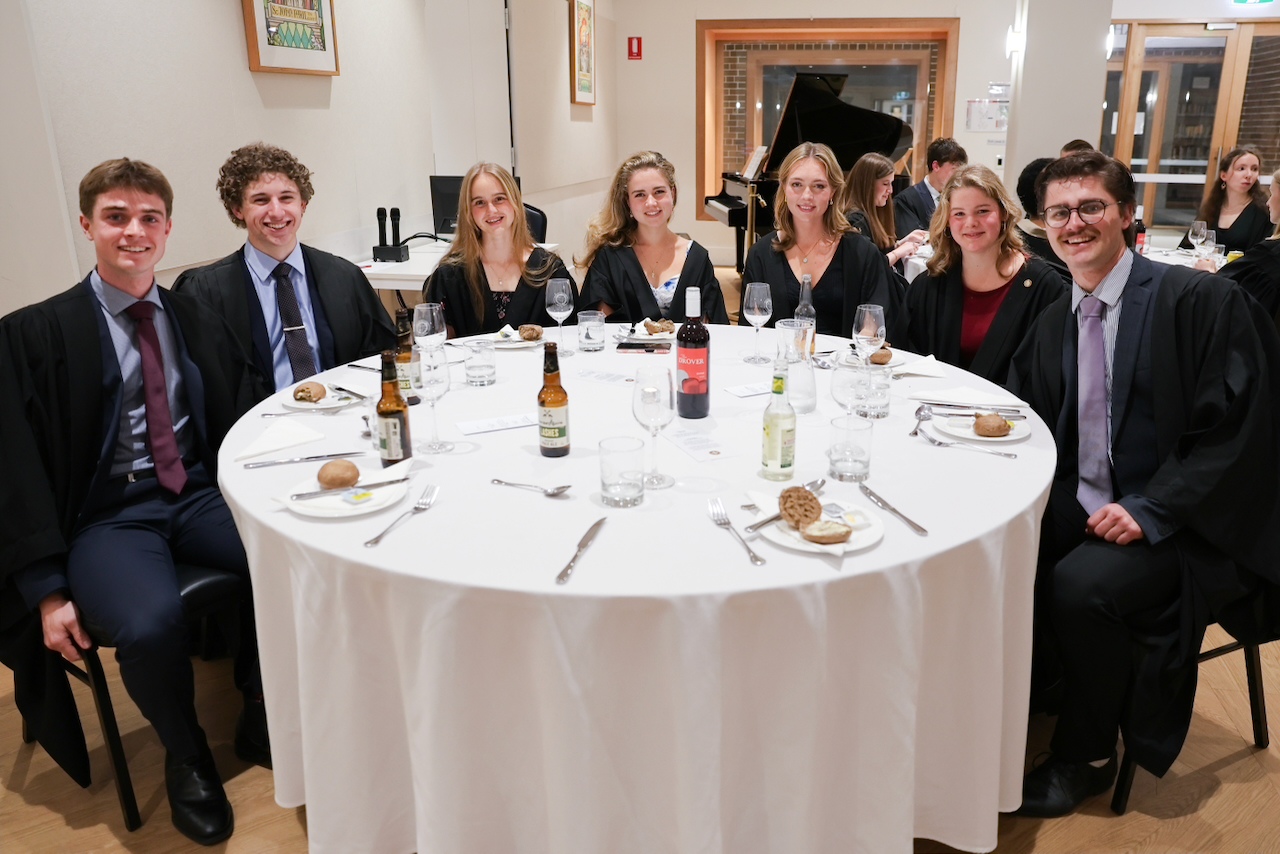
See below for photos from the night.