
Professor Simon Haines Reflects on the Enduring Power of Books at Annual St Edmund Campion Lecture
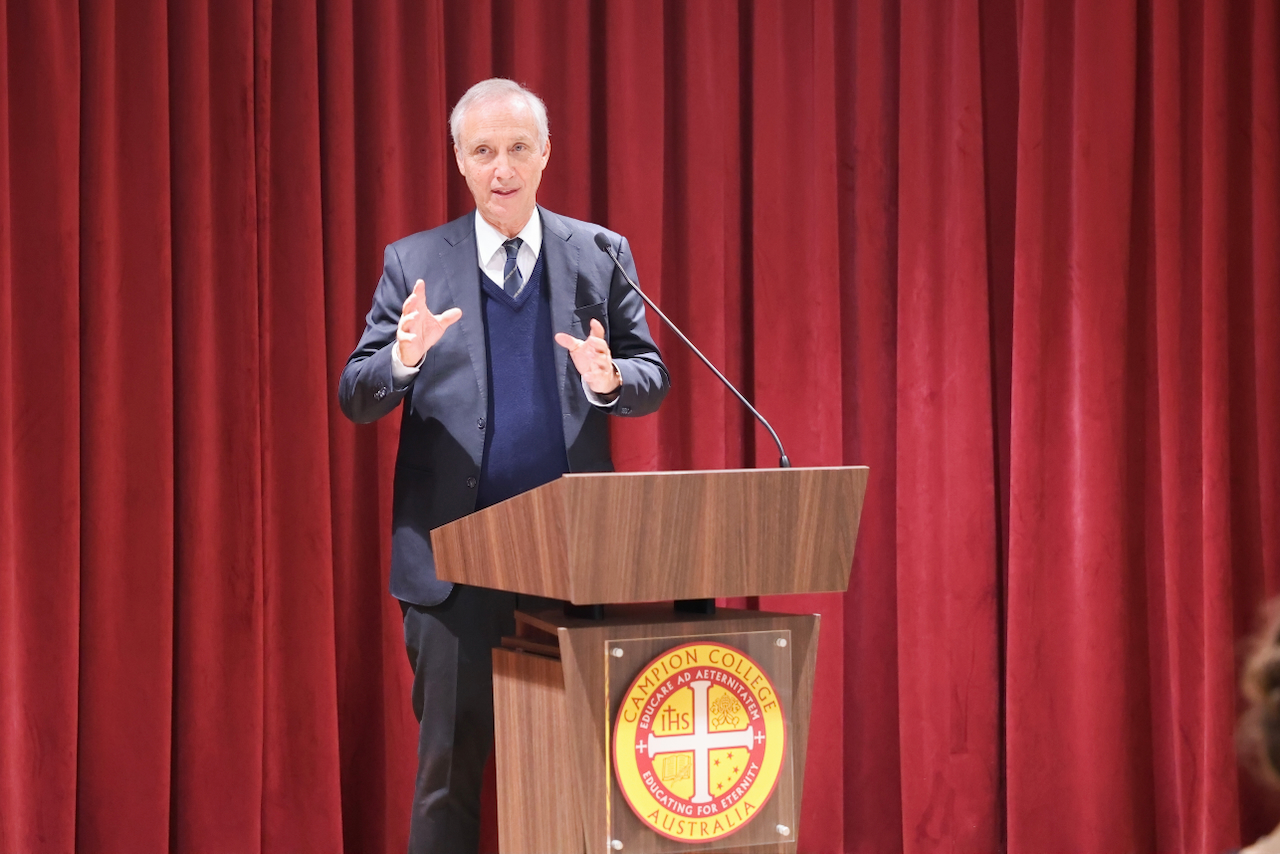
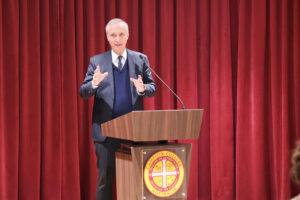
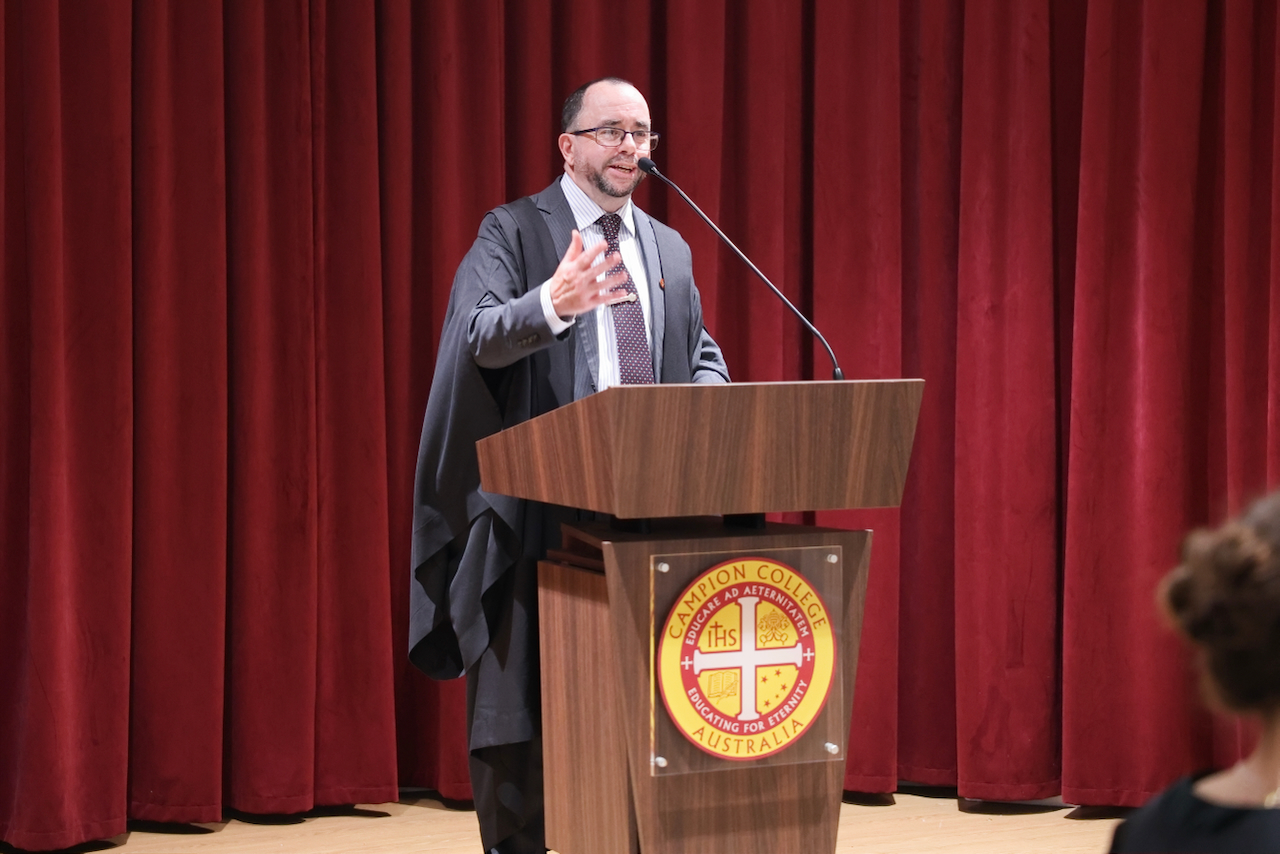
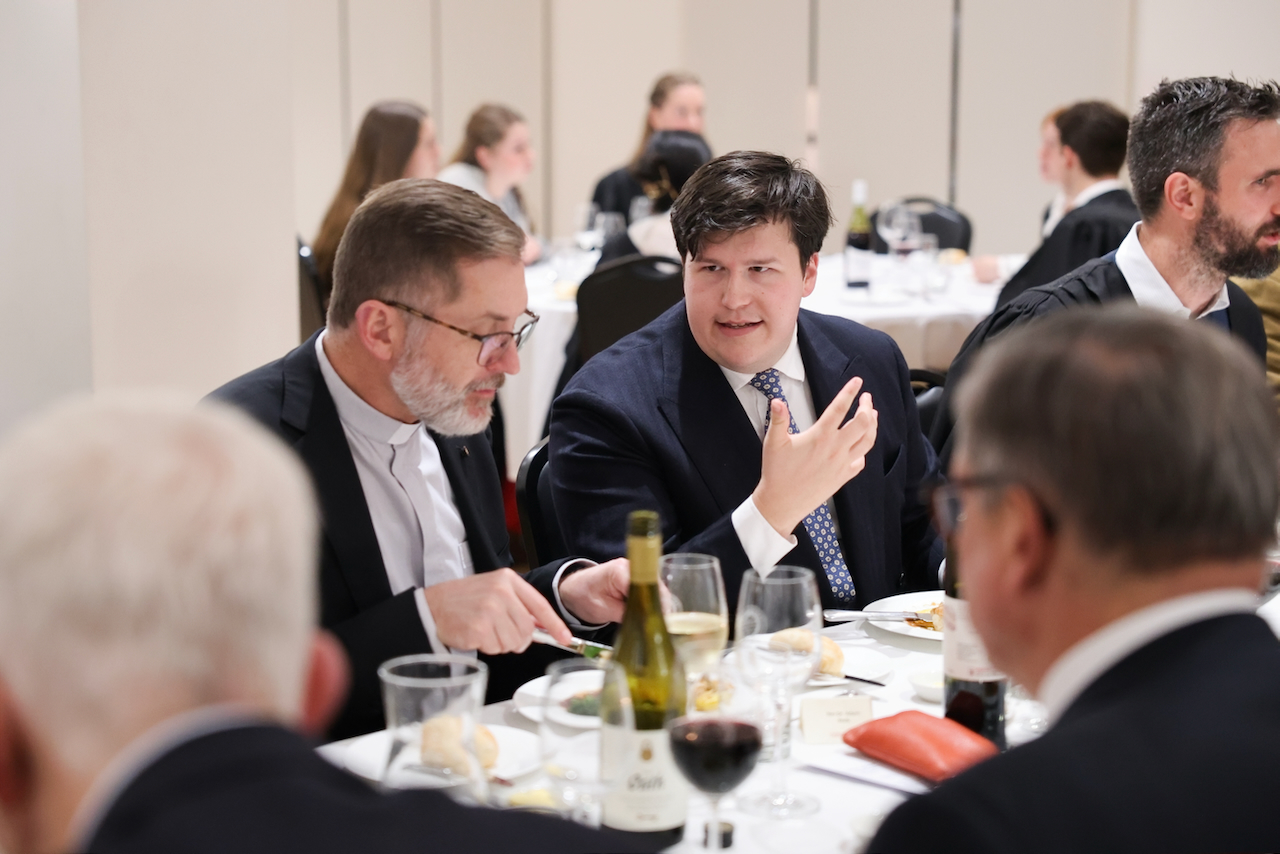
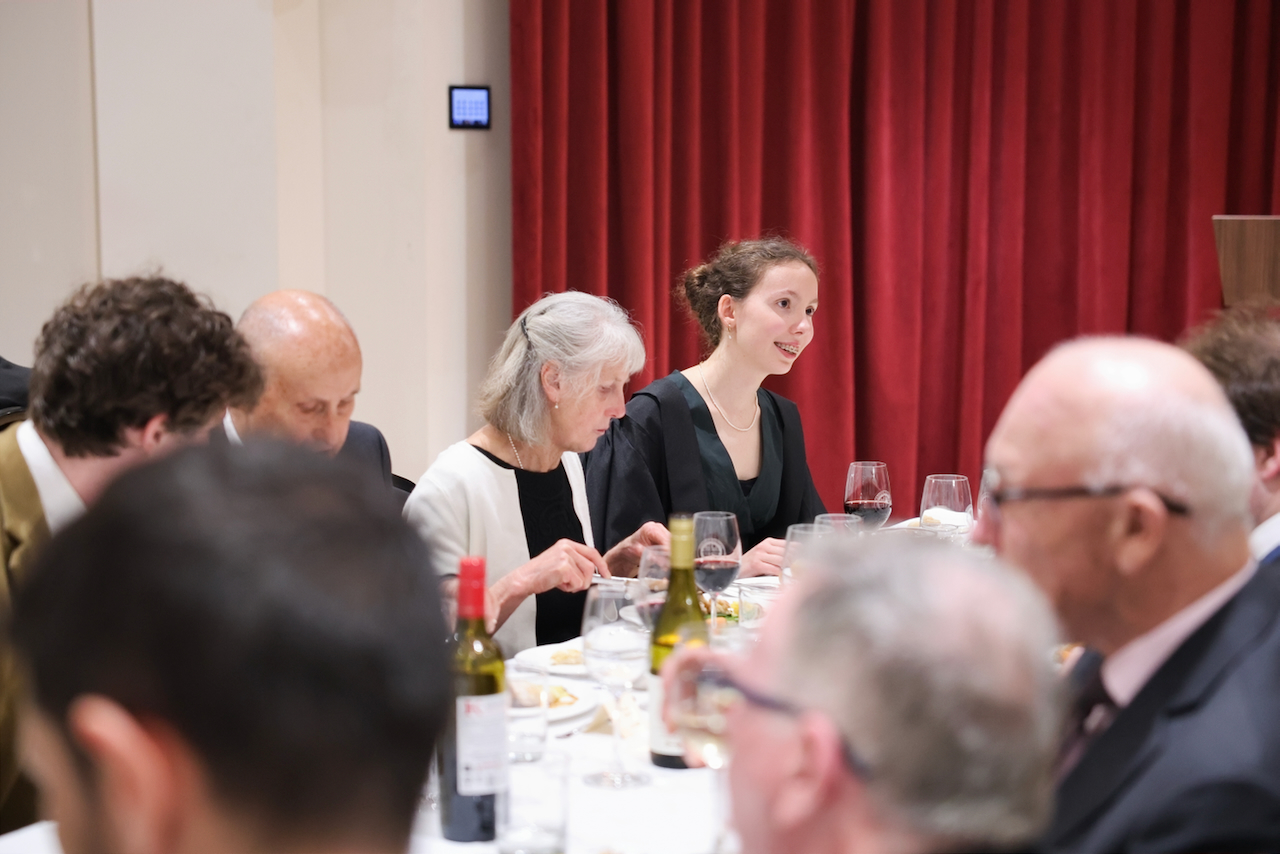
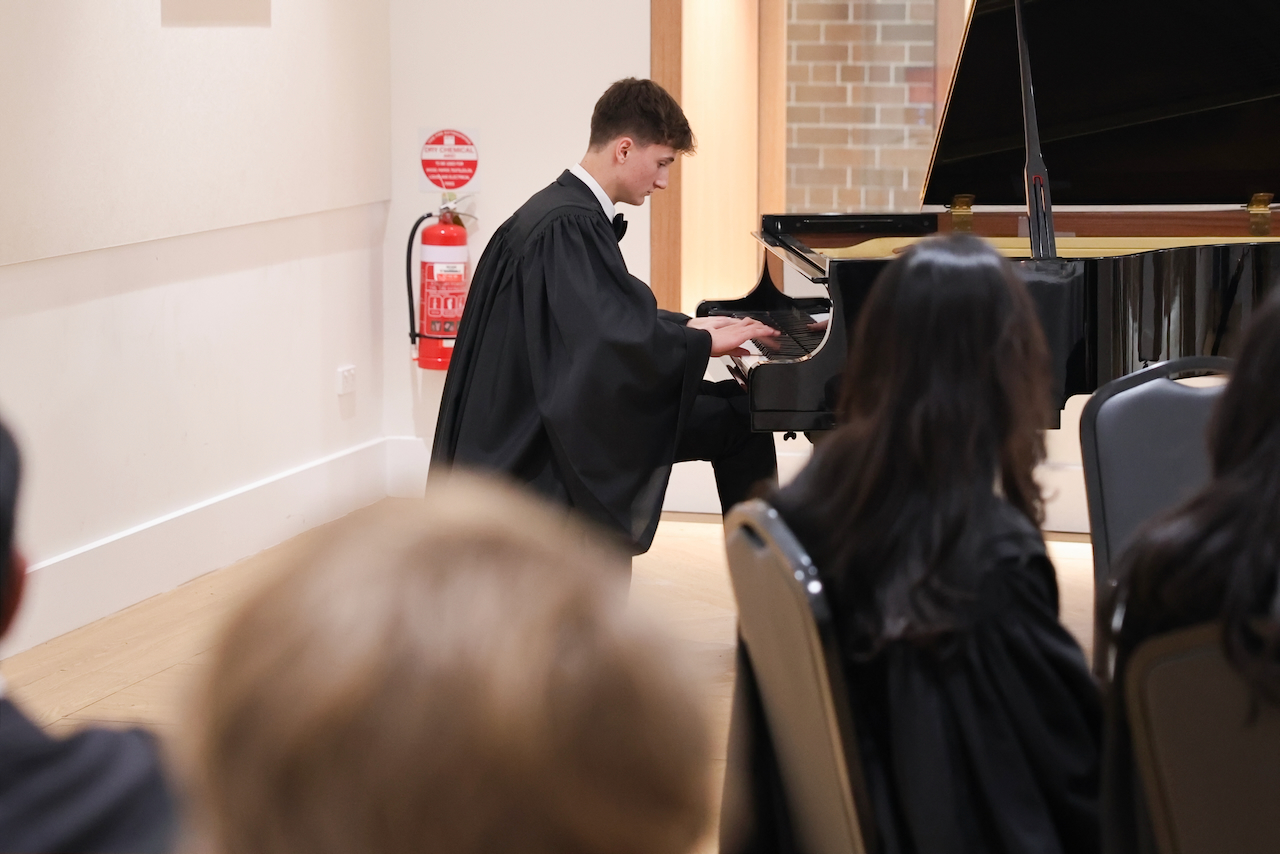
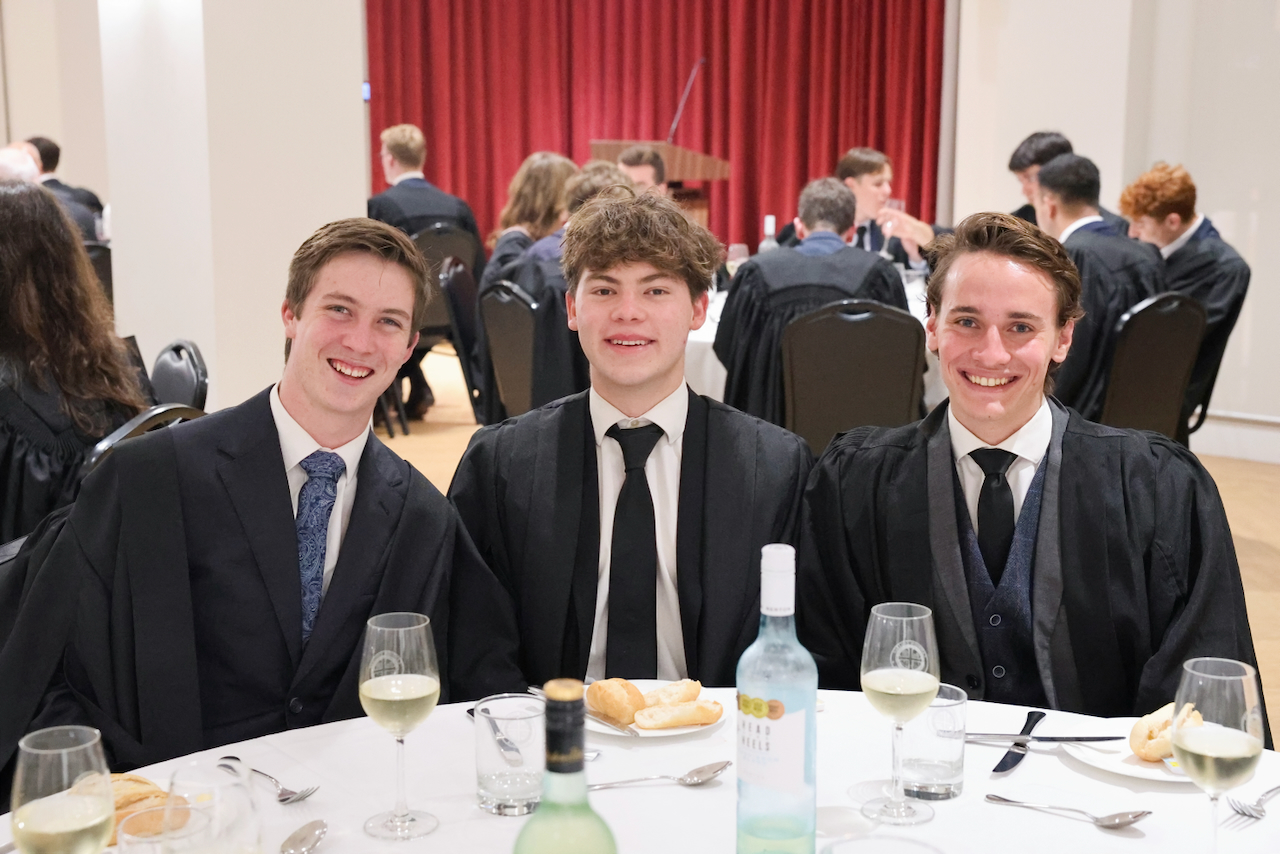
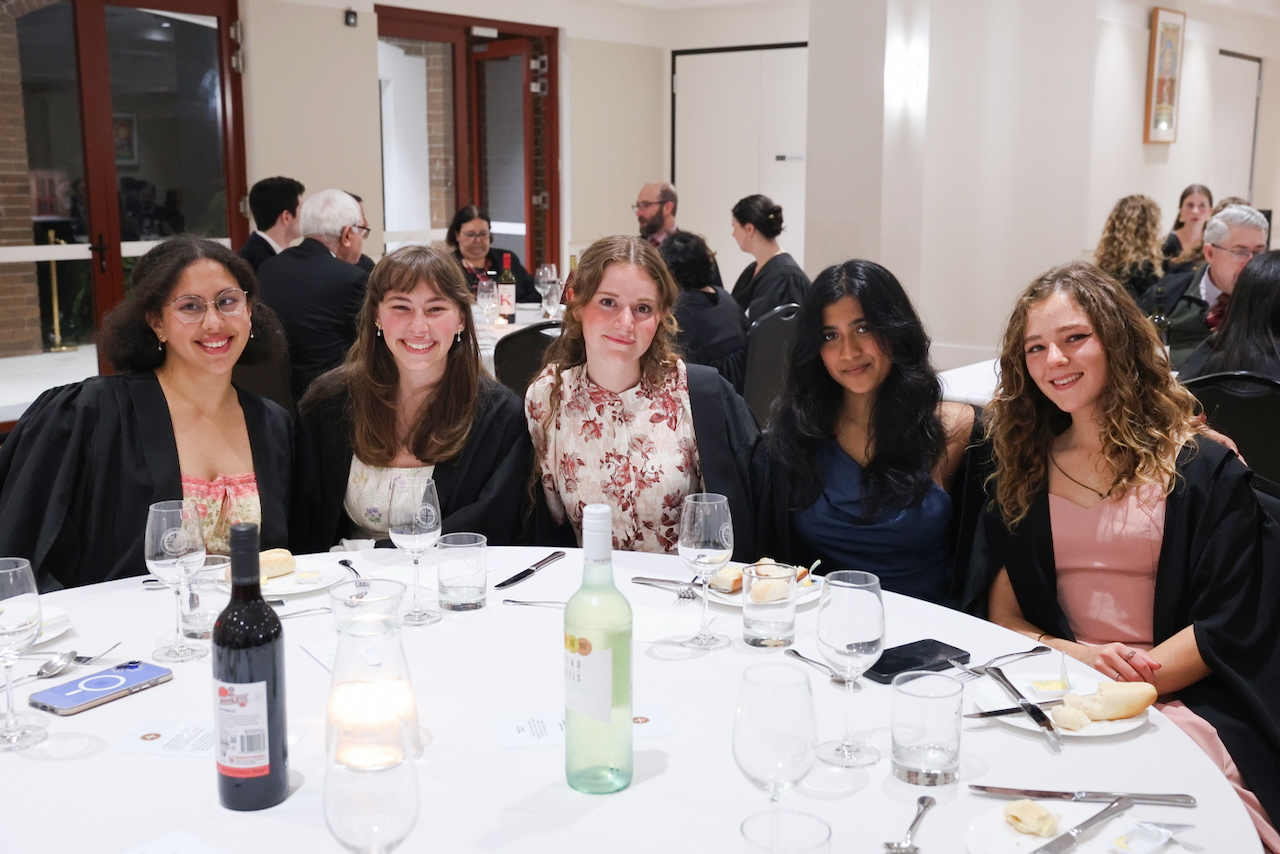
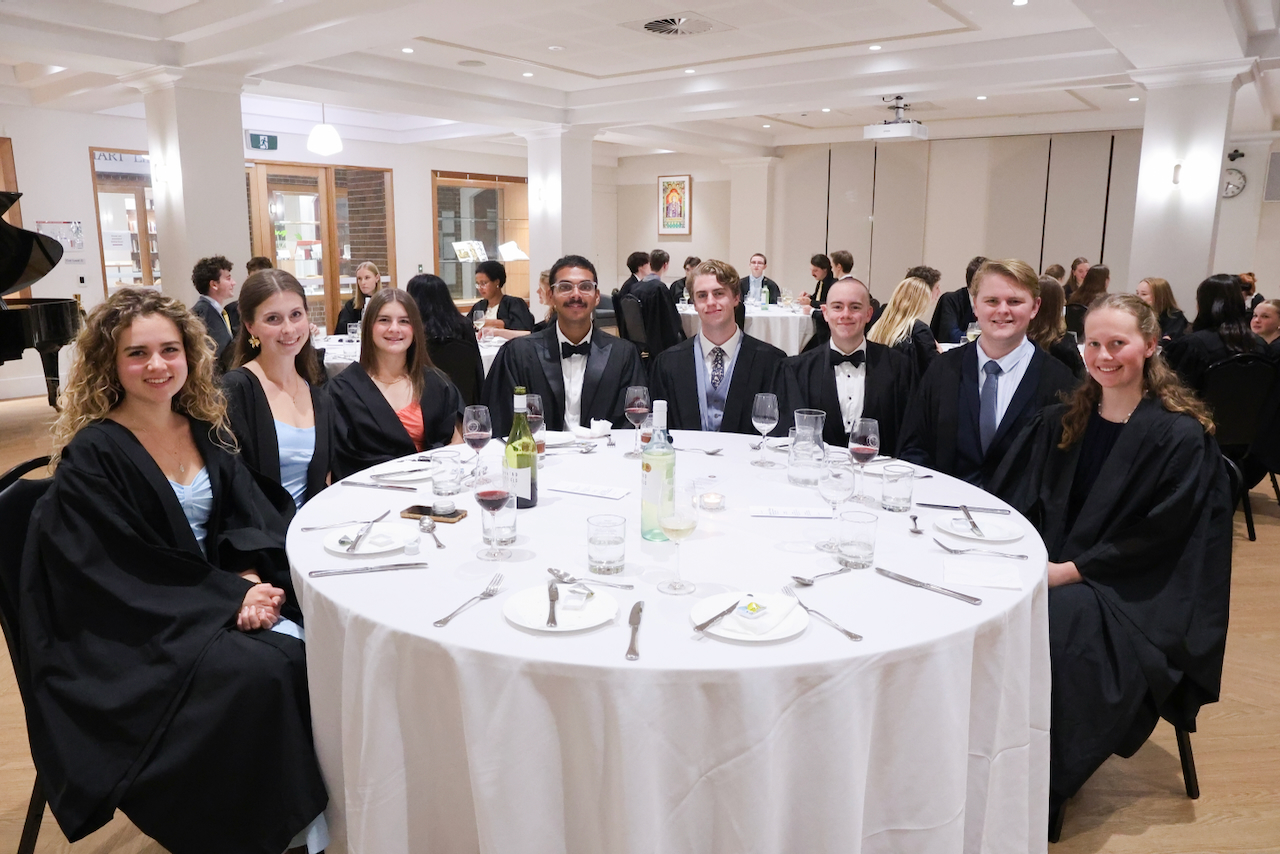
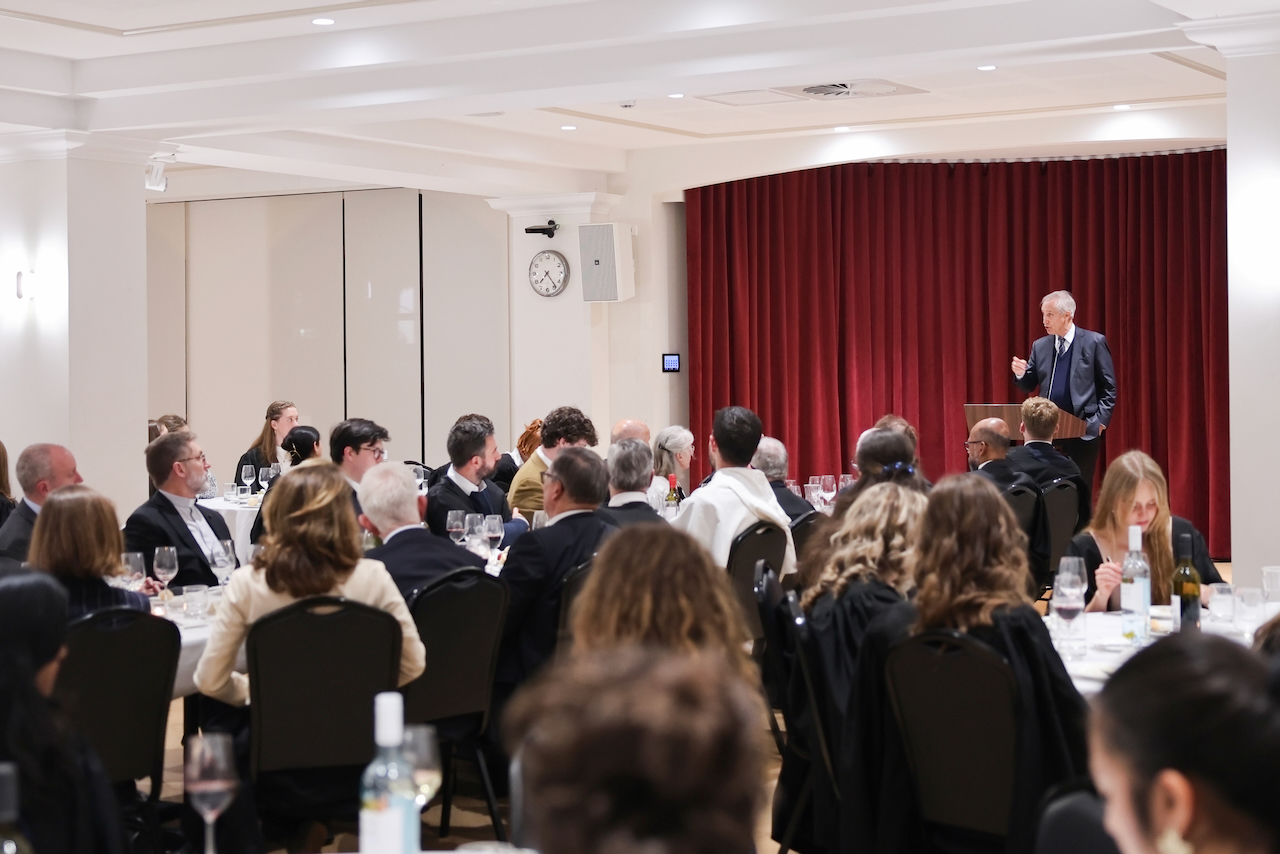
Campion College welcomed students, staff, trustees, and friends to its Annual St Edmund Campion Mass, Dinner and Lecture on 18 June, with Distinguished Professor of Liberal Arts Professor Simon Haines delivering a thoughtful address on the formative power of books, reading and attention in an age of distraction.
Beginning with John Donne’s famous meditation that “No man is an island”, Professor Haines reflected on the idea that every human life forms part of a larger “book of humanity”. The most meaningful way to encounter that great human story, he suggested, is through reading the books that humanity has produced across the centuries.
The lecture wove together personal recollections and literary history. Professor Haines shared memories of learning to read as a young child through Scuppers the Sailor Dog, before recounting how, as a ten-year-old boarding student, he unexpectedly found himself reading Scripture aloud each morning before the entire school. Those experiences, he said, taught him lessons that remained central throughout his academic life: that understanding often begins with patient attention, and that great texts reveal their meaning gradually through careful reading.
A central theme of the lecture was the unique role that books play in shaping the human mind. Drawing on contemporary research in neuroscience and cognitive science, Professor Haines noted evidence that reading strengthens attention, empathy, vocabulary and intellectual development. At a time when digital technologies increasingly fragment concentration, he argued, the sustained attention required by serious reading has become more valuable than ever.
Quoting literary critic Lionel Trilling, Professor Haines described great works not simply as books we read, but as books that, in a sense, “read us” in return. The enduring works of the Western tradition continue to speak to successive generations because they contain a depth of reality that rewards repeated engagement.
For students undertaking a liberal arts education, he suggested, this encounter with great books is more than an academic exercise. Reading attentively develops habits of patience, humility, judgement and wisdom. Through engagement with the thoughts of others, readers become more capable of understanding both themselves and the wider human community.
Professor Haines also reflected on the contemporary challenges posed by artificial intelligence and digital technologies. While acknowledging their potential benefits, he warned against forms of “cognitive dependency” that can weaken habits of independent thought. By contrast, the disciplined reading of substantial texts remains a practice of intellectual freedom, requiring active engagement rather than passive consumption.
Drawing on the writings of the philosopher Simone Weil, Professor Haines described attention itself as a form of generosity — a deliberate stretching of the mind towards truth. Such attentiveness, he argued, lies at the heart of genuine education and human flourishing.
In concluding, Professor Haines praised institutions such as Campion College for preserving and cultivating a tradition of serious reading and intellectual conversation. Great books, he said, remain a “treasure house” whose riches cannot be diminished, inviting each generation into a deeper understanding of truth, humanity and the common good.
A recording of Professor Simon Haines' lecture is available to view the form below.